Orthoptera Redwork Embroidery Design Review
A First Look at Orthoptera Redwork
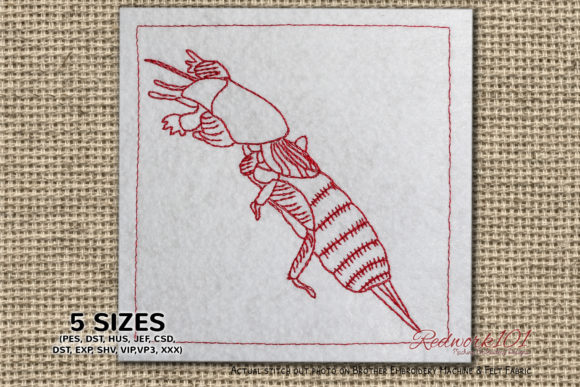
When I first opened the Orthoptera Redwork embroidery file, it immediately struck me as a design that balances simplicity with charm. The redwork style is always a favorite for its clean lines and minimalistic appeal, and this particular design feels like a natural fit for a range of handmade projects. It has a subtle elegance that makes it versatile, but also carries enough character to stand out in the right context.
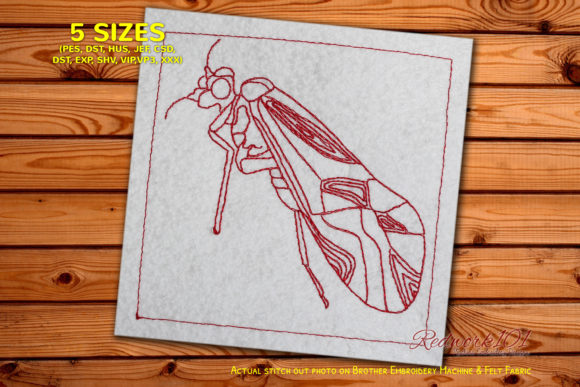
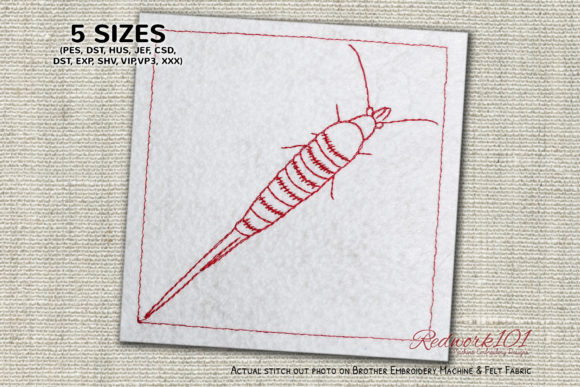
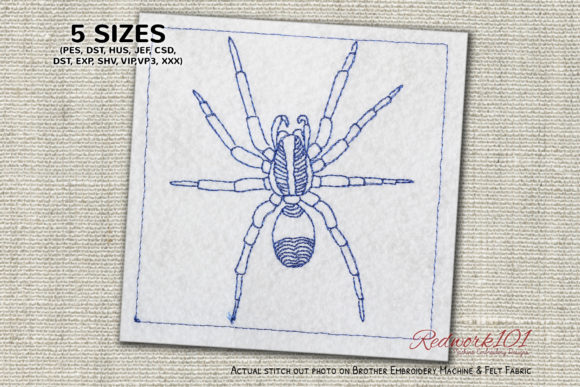
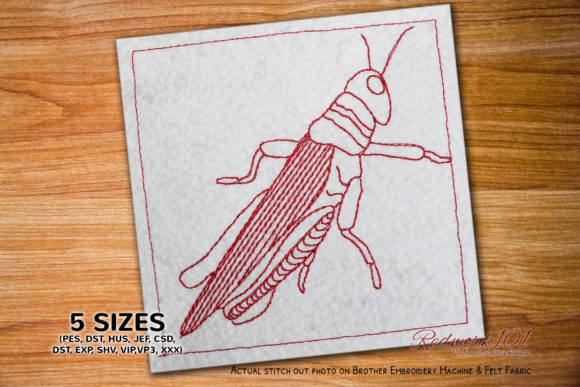
The theme centers around a bug—specifically, the orthoptera family, which includes grasshoppers and crickets. This detail gives the design a sense of playfulness without being too whimsical. The layout is well-structured, with clear shapes and defined areas that make it easy to follow when stitching. It's not overly detailed, which is great for beginners but still offers enough depth for more experienced embroiderers looking to add something unique to their work.
Real-Life Scenario: Custom Embroidered Tote Bag
Imagine preparing a custom embroidered tote bag for a small boutique or a craft fair. You need a design that looks good on canvas fabric, doesn't overpower the item, and adds value without being too busy. Orthoptera Redwork fits the bill perfectly. Its clean lines and soft curves would translate beautifully onto a tote bag, especially if you choose a neutral background color like cream or light gray.
I can see how this design could be used to create a line of eco-friendly tote bags with nature-inspired motifs. It would also work well on sweatshirts, aprons, or even baby onesies, where a subtle yet meaningful detail can elevate the overall look of the product.
One thing to consider is the choice of thread colors. Since the outer box in most designs can be skipped or changed, experimenting with different hues could give the finished piece a fresh twist. For example, using a deep navy instead of traditional red might make the design feel more modern and suitable for a wider audience.
Performance in Real Embroidery Projects
Orthoptera Redwork performs well in various embroidery applications. On smooth fabrics like cotton or polyester blends, the stitch density is just right—neither too sparse nor too dense. It handles well on both light and dark backgrounds, though testing it on a sample fabric first is always recommended to ensure visibility and clarity.
If you're working on a custom apparel project, such as a sweatshirt or t-shirt, the design’s size and shape are ideal for placement on the chest or back. It won’t overwhelm the garment and will maintain its visual appeal even after multiple washes, provided you use the right stabilizer and hoop size.
For embroidered patches, this design is a solid choice. It stitches cleanly and maintains its structure, making it perfect for adding to jackets, backpacks, or even hats. However, if you plan to place it on a curved surface like a cap, you’ll want to test the design on a similar material beforehand to ensure it lays flat and doesn’t distort.
In terms of digital embroidery files, the design seems well-optimized. The layers are separated logically, and the optional box stitch allows for flexibility depending on your project needs. Just be sure to check the stitch count and file format before finalizing your order.
Where to Use with Caution
While Orthoptera Redwork is a versatile design, there are certain situations where extra care is needed. For instance, using it on small hoop sizes may compromise the quality of the stitch, especially if the design contains intricate details. Similarly, on textured fabrics or thin materials, the design might not lay as smoothly, so using a proper stabilizer becomes crucial.
Another consideration is dark fabric. While the design works well on lighter backgrounds, you may need to adjust the thread color or contrast to ensure it stands out. If you’re creating a personalized gift or a handmade product for someone who prefers darker tones, this is an important step to take.
Finally, when using this design on curved surfaces like caps or mugs, it’s best to do a test run first. Some parts of the design might not align perfectly or could stretch slightly, affecting the final appearance.
Design Notes for Embroidery Professionals
As a designer, I recommend testing Orthoptera Redwork on scrap fabric before committing to a full project. Check the thread color contrast against your chosen fabric, review the stitch density, and confirm the hoop size required to accommodate the design fully. Testing in black and white mockups can help identify any potential issues with detail visibility, especially on darker fabrics.
Also, be mindful of the license terms if you plan to sell finished items or digital products. Ensure that the design is allowed for commercial use and that you understand any restrictions that come with it. For Etsy sellers or craft business owners, this is a critical step to avoid any legal complications down the line.
Lastly, don’t forget about the stabilizer. Using the right type can make a big difference in how the design holds up over time, especially on stretchy or thin fabrics. A good stabilizer ensures that your finished product remains professional-looking and durable.
Orthoptera Redwork is a solid addition to any embroidery collection. Whether you're creating a personalized gift, a handmade product, or a small shop merchandise item, this design brings a touch of nature-inspired elegance that can enhance the visual appeal of your work. With a few practical considerations in mind, it can be a valuable asset in your creative toolkit.