Guitar Embroidery Design Review
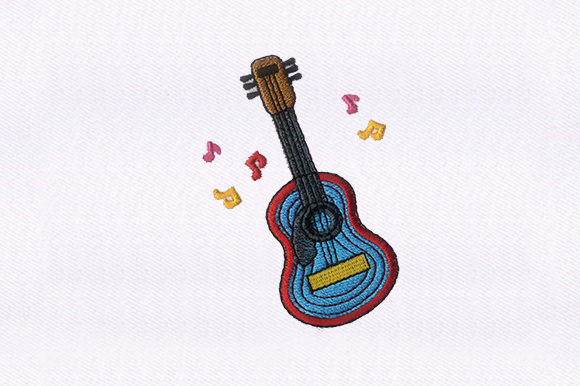
As an experienced embroidery designer, I recently had the opportunity to review the Guitar machine embroidery design. This design is clearly aimed at businesses in the Music category, and its potential for branded merchandise is quite promising. The first impression of this design is professional yet friendly, with a bold and modern aesthetic that could appeal to a wide range of small businesses.
Design Personality and Visual Appeal
The Guitar design feels premium and slightly playful, making it suitable for brands that want to convey creativity without being too serious. It has a clean outline and well-defined details that suggest it was crafted with attention to quality. The overall look is modern but not overly complex, which makes it versatile for different applications.
Its visual personality leans toward being elegant and classic, with a touch of contemporary flair. This duality makes it a great candidate for both handmade product branding and more commercial uses like staff uniforms or customer gifts.
Real Business Use Scenarios
The Guitar design can be effectively used in several real-world business scenarios. For instance, it could serve as an embroidered patch for a boutique or creative studio. Its size and detail make it ideal for chest logo accents on staff uniforms or sleeve details on aprons. When scaled appropriately, it can also work as a cap design or a tote bag mark, adding a stylish touch to everyday items.
For small business merch, such as custom apparel or product packaging accents, the Guitar design can enhance brand identity while maintaining a cohesive look. It’s particularly useful for Etsy branding or craft business assets where visual consistency is key. A printable mockup of the Guitar would help clients visualize how it looks on various items before final production.
In commercial embroidery projects, the Guitar can be integrated into event merch or customer gifts, reinforcing brand recognition and professionalism. Whether it's for a local café or a pet brand, this design adds value by making products feel more personalized and unique.
Considerations for Careful Use
While the Guitar design is versatile, there are certain areas where it should be used carefully. Small patch sizes may not capture all the details, so testing it at a reduced scale is essential. Cap fronts require precision, so ensuring the design works well on curved surfaces is important. Similarly, high stitch density or detailed outlines might challenge some fabrics, especially if they are textured or dark in color.
Items that need frequent washing, such as work shirts or aprons, should be tested for durability. Proper stabilizer use and fabric selection can prevent fraying or distortion over time. Additionally, thread color contrast should be reviewed to ensure the design stands out on different backgrounds.
Impact on Brand Identity and Professionalism
The Guitar design can significantly impact a brand's identity. Its modern and elegant appearance helps establish professionalism while still feeling approachable. For businesses in the music industry or those looking to evoke a creative vibe, this design can reinforce their visual message effectively.
When used consistently across merchandise, the Guitar can enhance customer trust and recognition. It adds a touch of quality to branded products, increasing perceived value. In handmade product lines, it contributes to a cohesive and visually appealing presentation that can engage buyers and set the brand apart from competitors.
Practical Embroidery Designer Notes
Before using the Guitar design for commercial purposes, consider these practical steps:
- Test it in black and white first to see how it translates on different fabrics and colors.
- Check if it works at small patch size to ensure it maintains clarity and detail when scaled down.
- Review thread color contrast to ensure visibility on dark or light backgrounds.
- Inspect spacing between elements to avoid overcrowding when stitched.
- Confirm hoop size required for the design to ensure proper setup and stitching efficiency.
- Test on real fabric to evaluate how it performs on different textures and materials.
- Use proper stabilizer to maintain shape and prevent distortion during embroidery.
- Create a printable mockup for client approval to ensure alignment with brand expectations.
- Compare it beside other design assets to maintain visual consistency across merchandise.
- Confirm commercial licensing before using the design for business purposes to avoid legal issues.
By following these steps, you can ensure that the Guitar design is used effectively and professionally in your embroidery projects. Whether it's for small business merch, custom apparel, or branded patches, this design offers a strong foundation for creating visually appealing and commercially viable products.